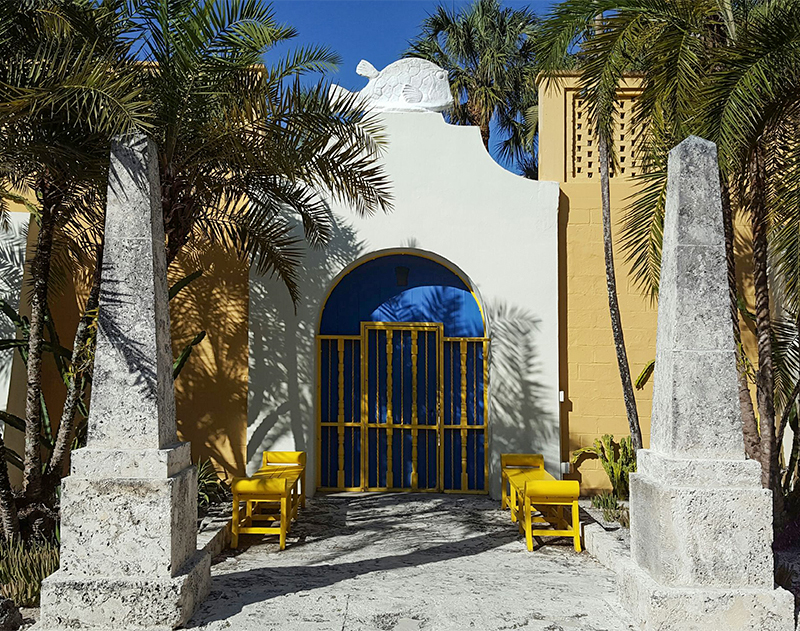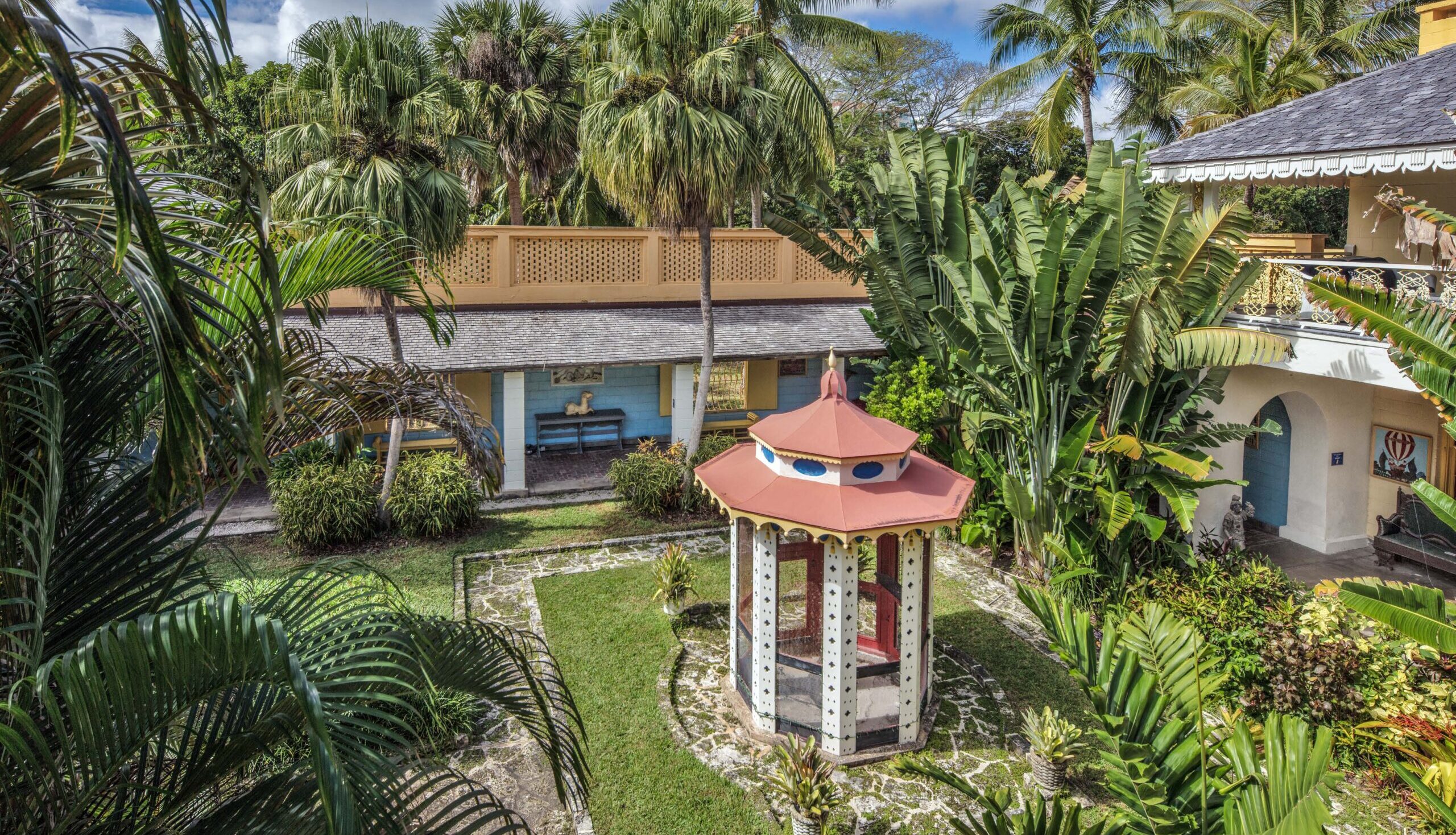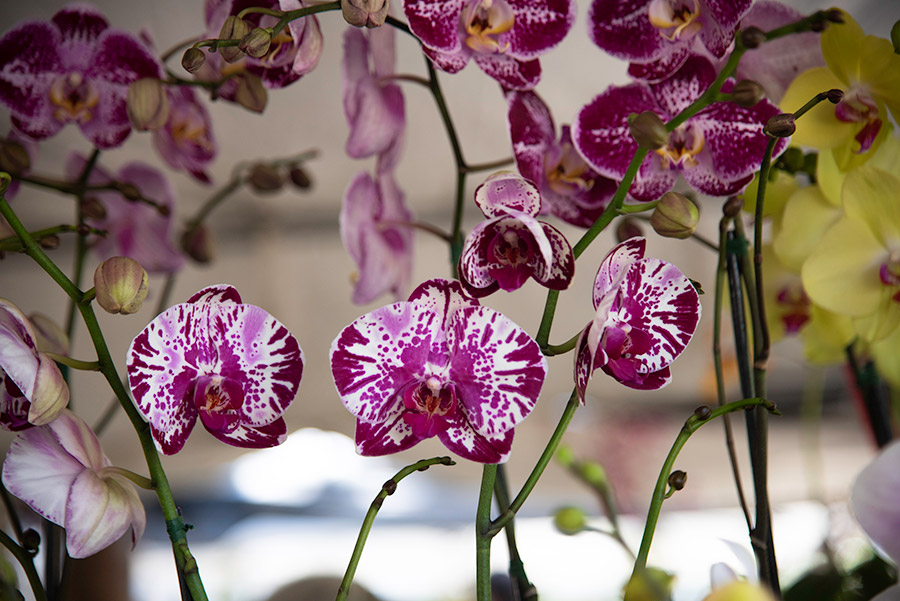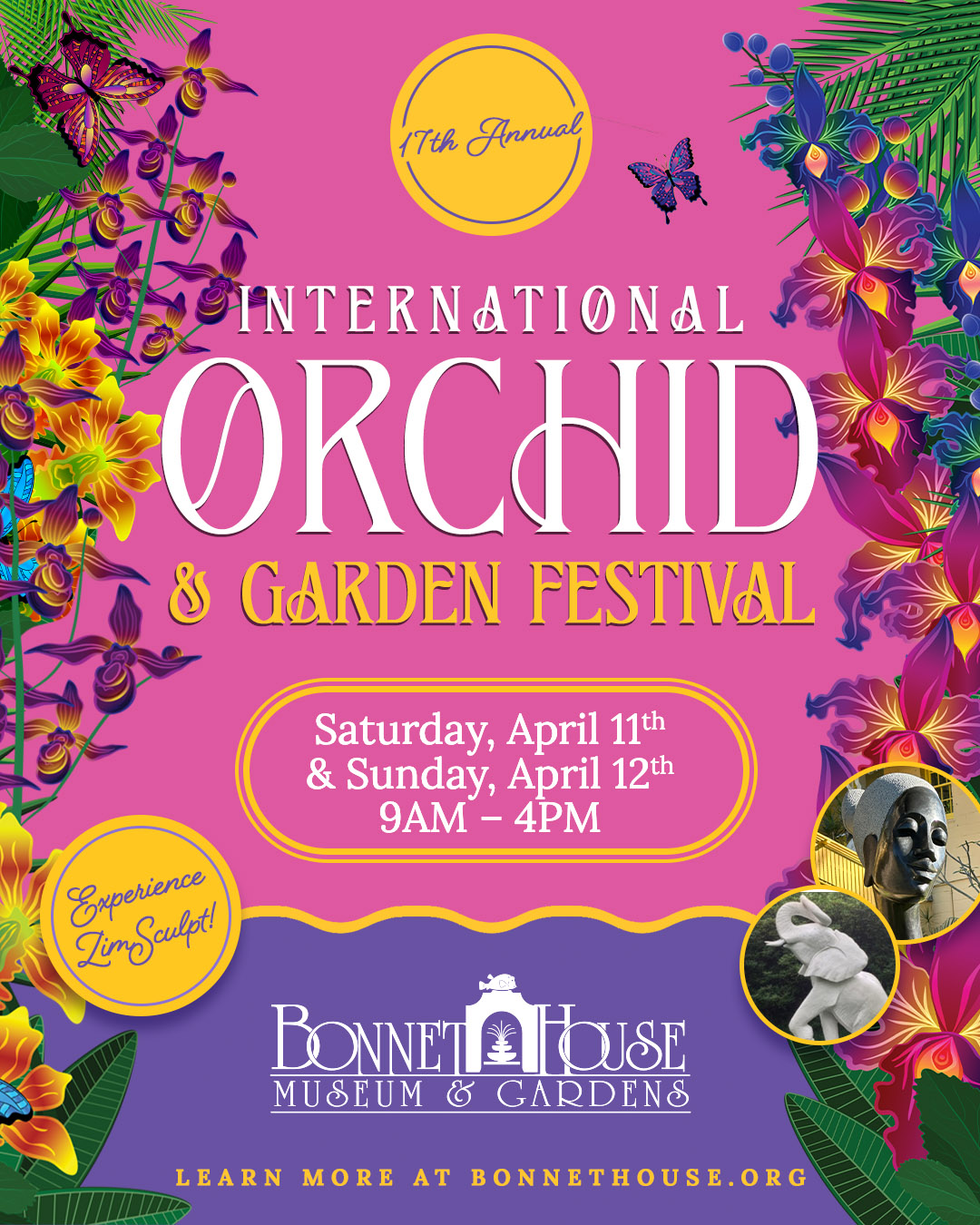

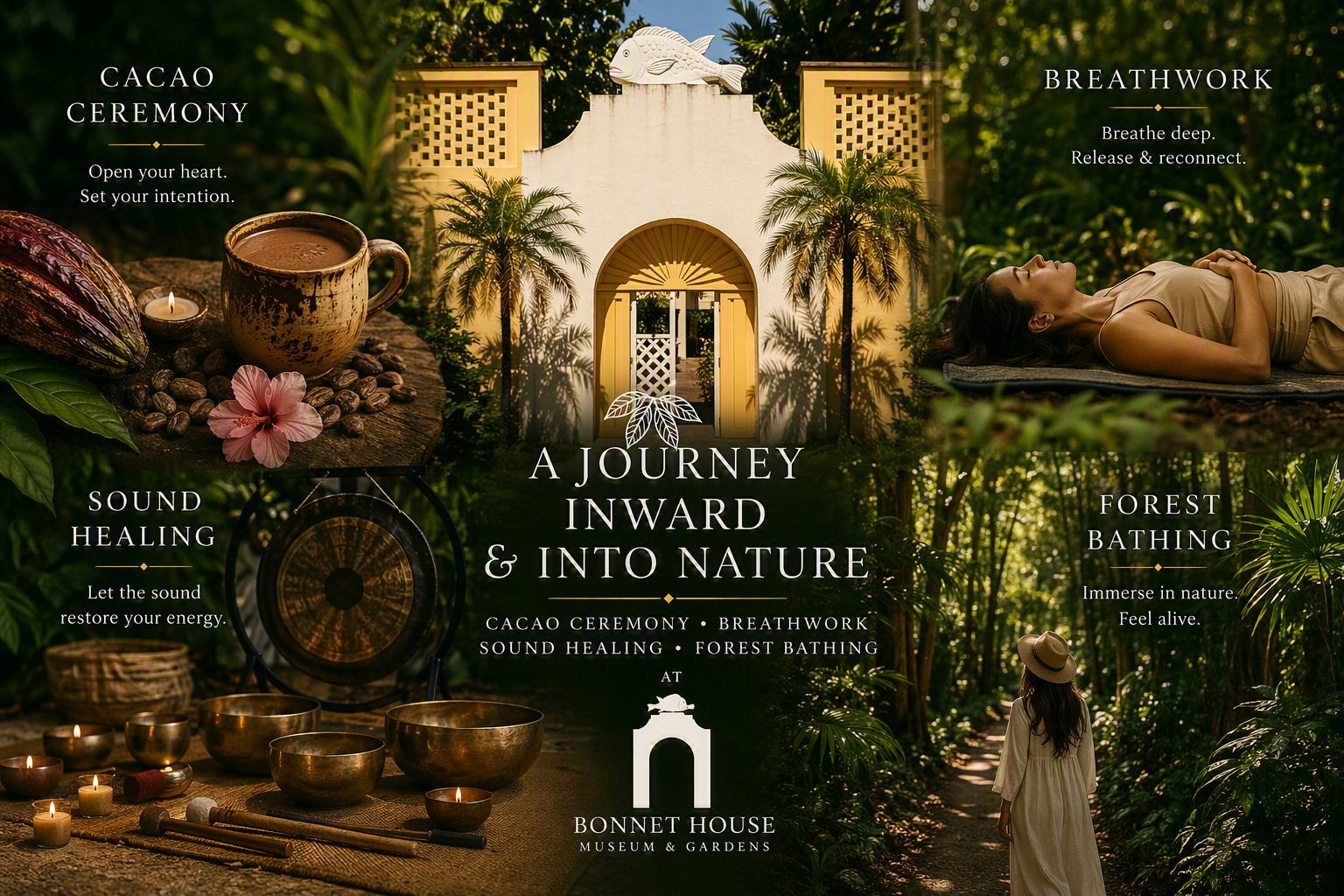
Fall is the perfect time to slow down, recharge, and try something new. This October and November, Bonnet House Museum & Gardens invites you to experience a special lineup of wellness and creative programs surrounded by the beauty and tranquility of our historic estate and tropical gardens.
Whether you’re looking to restore your mind and body, spend a peaceful morning immersed in nature, or discover the art of working with clay, there’s an experience waiting for you at Bonnet House.
Slow Flow Yoga & Sound Bath
October 16 & November 6, 2026
$25 Members | $30 Non-Members
Take a moment to pause and reset with Slow Flow Yoga & Sound Bath, a restorative experience combining gentle movement with immersive sound healing.
Led by Bonnet House resident yoga teacher Lisa Pumper, E-RYT 500, YACEP, the class offers an opportunity to move with intention, relax, and enjoy a peaceful wellness experience in the unique setting of Bonnet House.
Lisa is also the founder of Fort Lauderdale Beach Yoga, powered by Yoga cOMmUNITY of Florida.
Autumn Wellness Retreat
October 22, 2026 | 9:00 am–11:30 am
$60 Members | $65 Non-Members
Escape the everyday and immerse yourself in a restorative morning of wellness and nature during our Autumn Wellness Retreat.
Led by Lisa Pumper, this special experience brings together four complementary practices:
Heart-Opening Cacao Ceremony
Begin the morning with a ceremonial cacao experience led by special guest Erik “Guru” Lieux, inviting presence, gratitude, intention, and heart-centered connection.
Somatic Movement & Breathwork
Ease into gentle movement and guided breathwork designed to calm the nervous system, release tension, and prepare the body for deep relaxation.
Immersive Sound Healing Meditation
Relax as crystal singing bowls, gongs, healing flutes, chimes, and other soothing instruments create a restorative sound meditation designed to quiet the mind and nourish the spirit.
Guided Forest Bathing & Nature Immersion
Complete the experience with a peaceful guided forest bathing journey through the enchanting tropical gardens of Bonnet House.
The retreat is suitable for all experience levels.
Storytelling with Clay
Friday, October 23, 2026 | 10:30 am–12:30 pm
$110 Members | $120 Non-Members
What story can you tell through clay?
Join artist Leda Almar for a hands-on workshop that explores how ideas and personal stories can take shape through this expressive medium.
Participants will learn fundamental hand-building techniques while creating a unique piece that tells a personal story. All materials and tools are included, along with the first kiln firing completed in the studio.
Whether you’re discovering clay for the first time or already have experience working with it, this workshop offers an engaging opportunity to explore your creativity.
Discover the Portrait in Clay: Head & Torso Sculpture
Friday, November 13, 2026 | 9:00 am–3:30 pm
$280 Members | $300 Non-Members
Take your exploration of clay even further with artist Leda Almar during this immersive head and torso sculpture workshop.
Participants will explore the basic proportions and anatomy of the human head while learning techniques to build, sculpt, hollow, and bring character to a clay portrait.
This extended workshop provides an opportunity to spend the day creating, learning, and developing your approach to figurative sculpture.
Make Time for Yourself This Fall
From the meditative sounds of singing bowls and the serenity of forest bathing to the tactile experience of shaping a story or portrait in clay, this fall’s programs offer new ways to experience Bonnet House.
Reconnect. Create. Restore. And experience fall in a whole new way at Bonnet House Museum & Gardens.
Space for these special programs may be limited, so we encourage guests to register in advance.


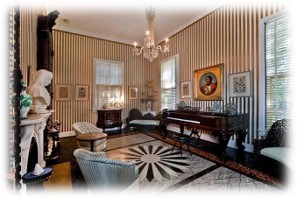 When entering the Bonnet House, I found myself amazed at how well taken care of the place is. From the paintings with gorgeous colors to the many vibrant fabrics throughout the house. In January of 1919, Frederic Clay Bartlett and Helen Louise Birch were married, and as a gift, Helen’s father gifted the land that is now known as the Bonnet House. The house and land were designed entirely by Frederic himself, who used his background in art and architecture to create a whimsical summer home. He took extra care when designing the Music Room, as it was believed to of been his wife’s favorite, as she enjoyed composing music and poems.
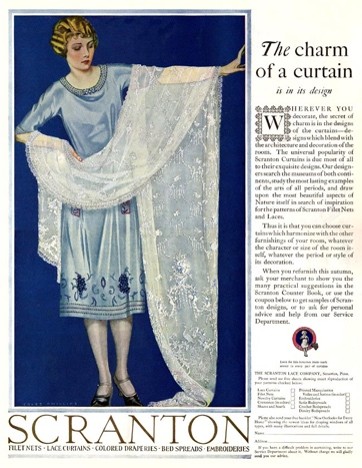
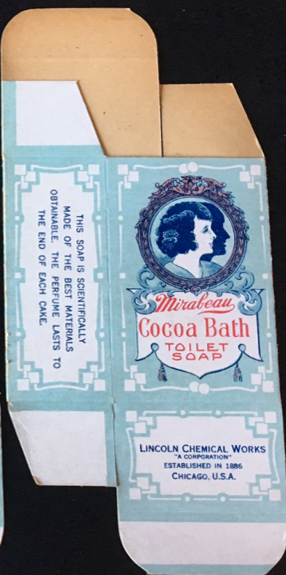
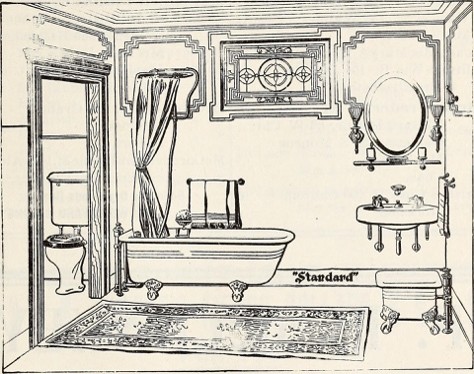
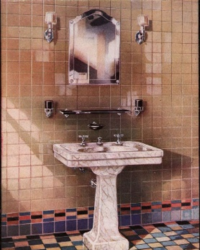 When I walked into the house, I was amazed at the thoroughness and artistic touch of the designs and decor. The joined half bathroom, as it is known today as a half bath, was a striking room, as it remains original to the 1920s. The walls in the room were hand-painted by Frederic and were made to look like a marble design. Having only a sink, toilet, medicine cabinet, and a window, the room is on the smaller scale. When Sofia and I were tasked with finding a similar 1920s-style bathroom, it became clear the task was not that simple. Most photos and drawings show that of a full bathroom, which includes a shower or tub, sink, and overall, more space throughout the room. The half bath in the house, which is a smaller space with only a toilet and sink, remains true to the design of the 1920s with only a few small alterations. Some of the things that were changed by Katie, Sofia, and myself as the curators, include the carpets, perfume, soap, towels, curtains, and the curtain rods.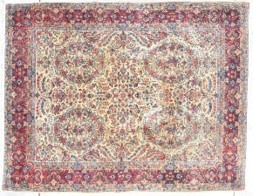
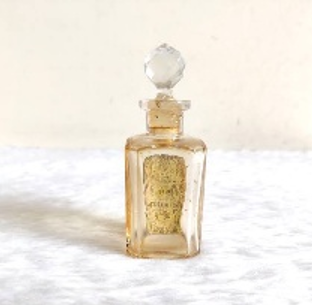
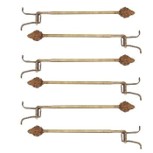
 The curatorial team of the Bonnet House are proud to unveil the previously off view half bathroom in Helen Birch Bartlett’s preserved Music Room. Helen was Frederic Bartlett’s second wife with whom he designed the initial incarnation of Bonnet House. The sink, medicine cabinet, toilet, towel bars, crystal shelf, light fixture, toilet paper holder, window and faux marble walls, painted by Frederic, are the same as they were over 100 years ago. The rug, towels, curtains, curtain rods, soap box and perfume bottle however have been added by us on the curatorial team to stage the room in hopes of allowing guests to fully immerse themselves in the fascinating period the bathroom represents and imagine Helen’s time spent there.
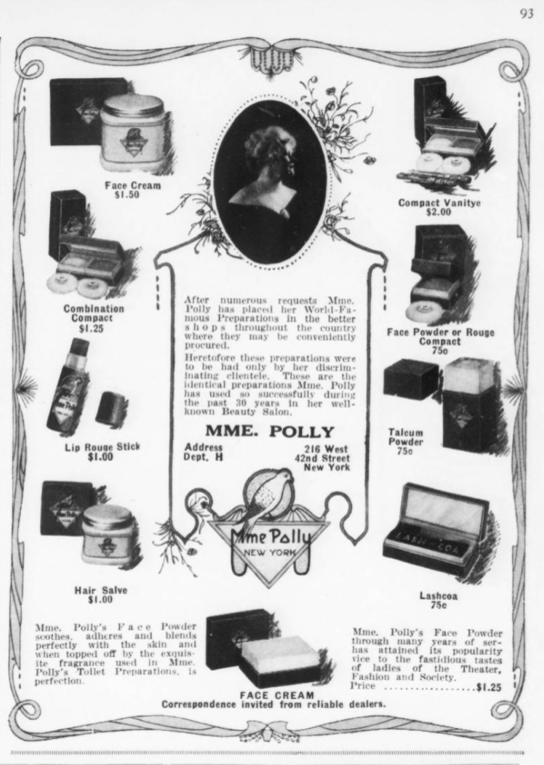
 amendment women’s place in society changed dramatically. These historic events coupled with the stock market boom of the era granted women unprecedented spending power and independent public presence. To accompany these new rights and freedoms and actively oppose the modest and submissive femininity of the Victorian era, young women created new fashions: short, wavy hair that framed dramatic make up, looser, boxier silhouettes that showed off, for the first time, bare arms and legs and shiny, lacquered nails to pinch around smoldering cigarettes. Male marketers were quick to see this new consumer base and begin creating their own beauty ideal, imagining new problems to sell young women solutions in the form of their products, effectively capping the radicality of the emerging female-led styles.